When someone experiences sudden cardiac arrest, every second matters. The person who can make the greatest difference may not be a doctor or paramedic—it may be you.
CPR can help keep blood and oxygen moving until professional emergency care arrives, dramatically improving a person’s chance of survival. Cardiac arrest can happen almost anywhere and to almost anyone—at home, at work, at school, or while enjoying a day out with family and friends. Knowing what to do, and having the confidence to act quickly, can save a life.
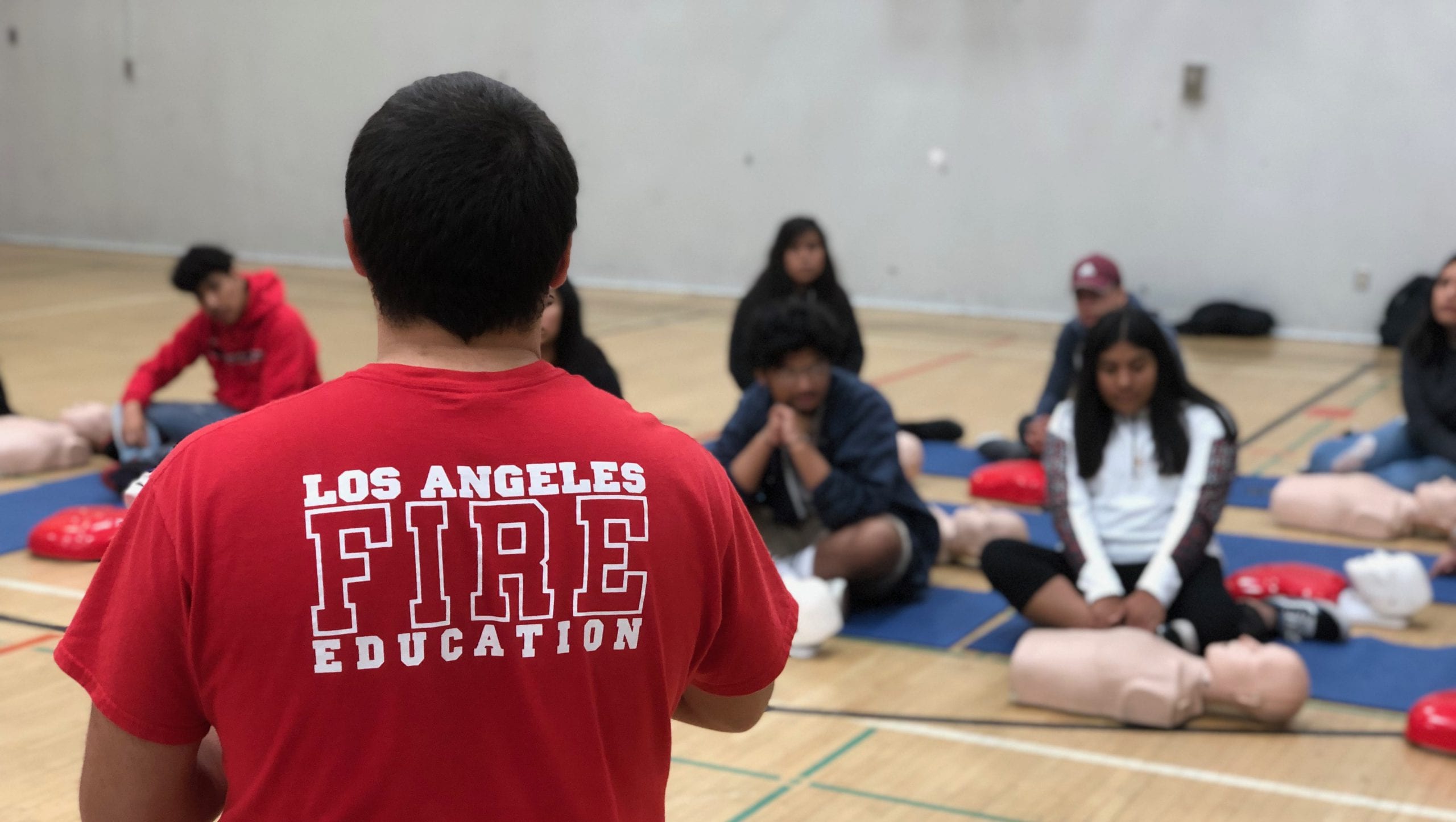
MySafe:LA CPR courses provide practical, hands-on instruction taught by experienced professionals. You’ll learn how to recognize cardiac arrest, perform effective CPR, use an AED, and respond confidently during those critical first minutes of an emergency.
Don’t wait until someone you care about needs CPR to wish you knew what to do. Take a MySafe:LA CPR course and learn the skills that can help you save a life.
Being Certified Prepares You To Respond To Cardiac Arrest
Cardiac arrest occurs when the heart stops functioning as it should and can no longer pump blood to the brain or vital organs. Nearly 38 people an hour suffer a cardiac arrest at home, work, or even church — that is 420,000 people on an annual basis.
Most importantly, your chance of coming in contact with someone experiencing cardiac arrest is most likely to occur with a family member. That’s why our blended certification course is so important. While many employers require staff to be certified in CPR (and we have corporate discounts), everyone who is around people a lot should know how to save a life.
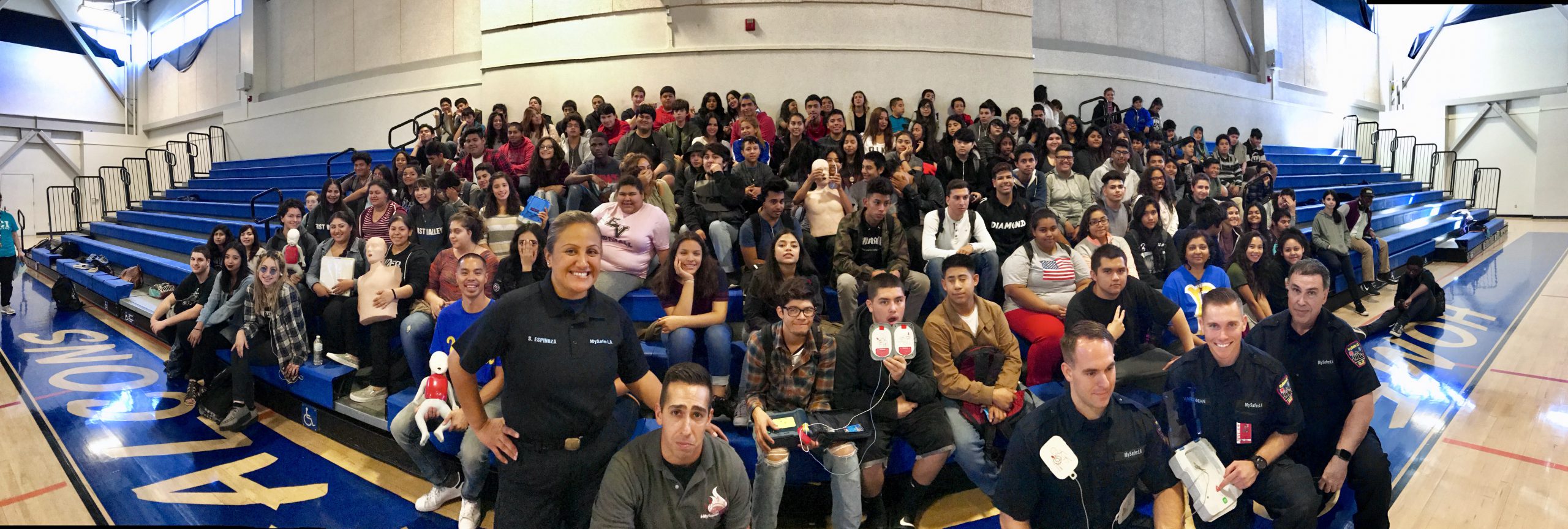
We're certified instructors, even when teaching in high schools
Meet Your CPR Instructors
The dedicated MySafe:LA instructors are here to support you, drawing on extensive experience in certified and hands-only CPR training for adults and high school students. Every team member has completed comprehensive first-responder CPR and AED training, ensuring you’re in good hands. Every uniformed MySafe:LA member is a qualified EMT, committed to your safety and education.
If you'd like to have your students or employees trained in CPR, we'd love to hear from you. Together, we can improve survivability from cardiac arrest.