The challenges associated with homelessness in Los Angeles have their origins dating back to World War II. A comprehensive understanding of this history, in conjunction with the present crisis, is essential for formulating practical solutions to assist those without permanent housing.
Homelessness in Los Angeles is a complex and persistent challenge. Thousands of people live without stable housing, including in tents, vehicles, makeshift shelters, and encampments located along streets, beneath freeways, near buildings, and increasingly in areas where vegetation can carry fire.
For persons experiencing homelessness, these conditions can create significant fire and life-safety risks. Without reliable access to electricity, heating, cooking facilities, or other basic services, people may rely on open flames, portable heating or cooking devices, generators, batteries, or improvised electrical connections. A small fire can quickly spread through an encampment, ignite a nearby structure, or extend into vegetation.
For MySafe:LA, this is where homelessness intersects directly with Community Risk Reduction. Fires involving encampments and unhoused individuals are not simply a homelessness issue—they are part of the larger fire-risk environment facing Los Angeles.
Understanding where these incidents occur, what contributes to them, and how they affect both persons experiencing homelessness and surrounding communities allows us to develop better strategies for reducing risk.
We recognize that solving homelessness requires housing, healthcare, social services, government, nonprofit organizations, and many other partners. Our role is more specific: understand the fire and life-safety risks associated with homelessness and work collaboratively to reduce them—protecting people who are unhoused, nearby communities, and the firefighters who respond when something goes wrong.
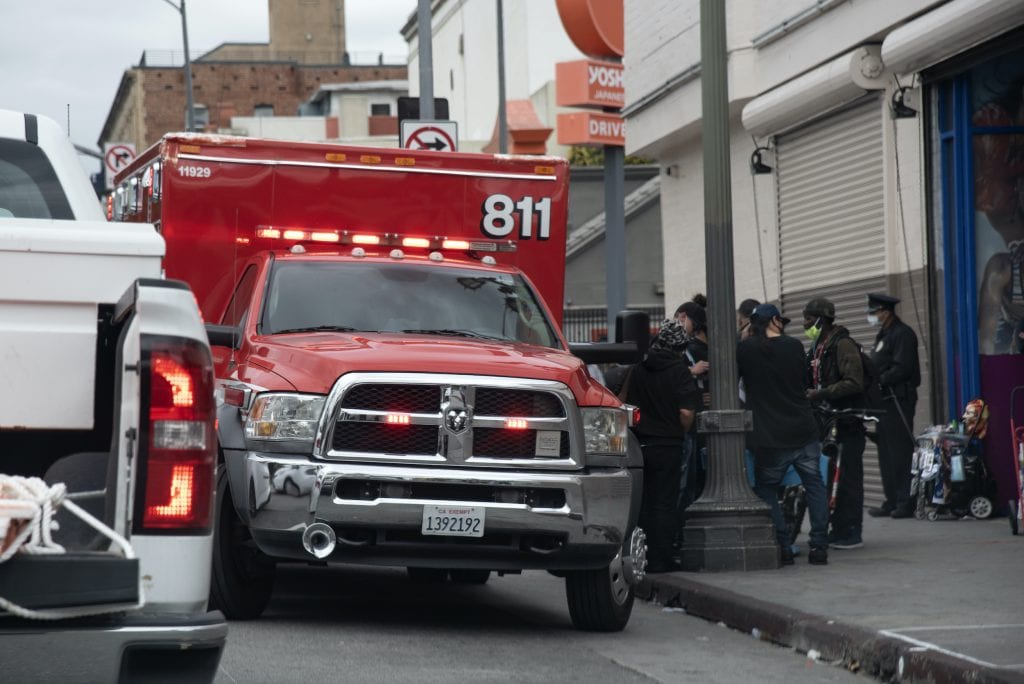
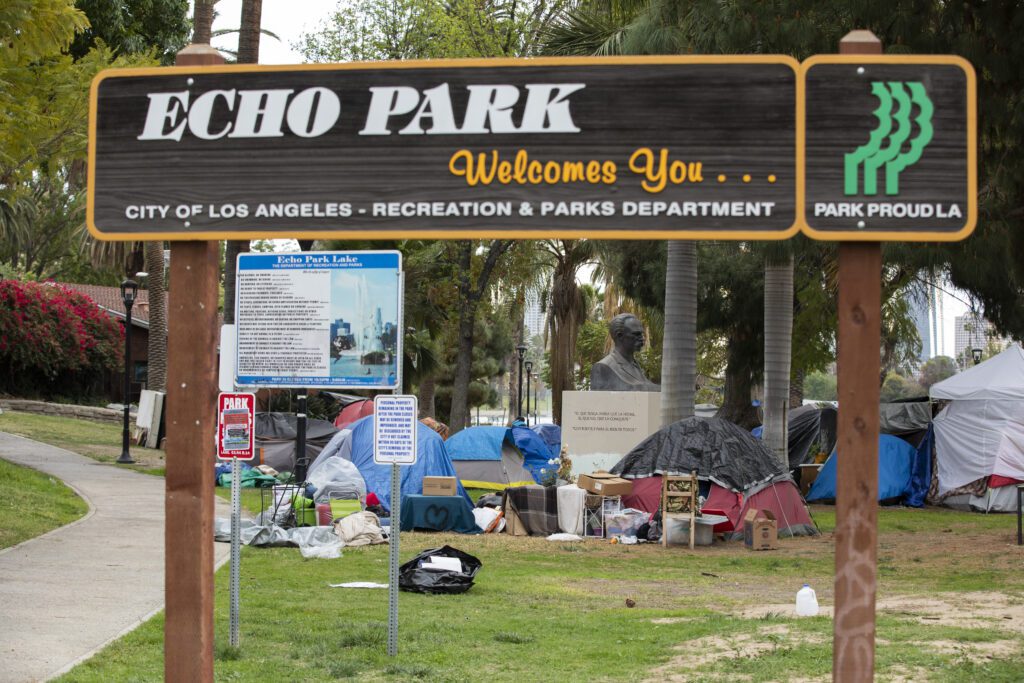

Counting people experiencing homelessness is only the first step — real change occurs when we act on what the numbers show. At MySafe:LA, we believe that safety and dignity are interconnected. That’s why our outreach goes beyond just education and includes connection, meeting people where they are and tackling the risks that come with living without stable shelter.
Our teams work with partner agencies and local fire departments to provide fire and life safety education in encampments, install smoke alarms in transitional housing, and conduct emergency preparedness training for individuals moving into supportive housing. We share resources on heat safety, CPR and first aid, and personal emergency planning — practical skills that can save lives long before professional help arrives.
Homelessness has been part of Los Angeles for generations, but the crisis visible today developed through decades of population growth, housing shortages, economic change, evolving public policy, and gaps in health and social services.
During and after World War II, Los Angeles grew rapidly as workers arrived for defense and manufacturing jobs. Housing construction struggled to keep pace, while discriminatory housing and lending practices prevented many residents from sharing equally in the region’s growing prosperity and opportunities for homeownership.
Beginning in the mid-20th century, California also moved away from large state psychiatric institutions. While deinstitutionalization was intended to replace institutional care with community-based treatment, adequate services and housing did not always follow. Over subsequent decades, untreated mental illness, substance-use disorders, poverty, incarceration, and homelessness became increasingly interconnected for some of the region’s most vulnerable residents.
By the 1970s, many homeless services had become concentrated in and around Skid Row. At the same time, Los Angeles continued to grow while the supply of affordable housing failed to keep pace with demand. Rising housing costs, economic disruptions, and the loss of lower-cost housing added additional pressure.
In the decades that followed, homelessness expanded well beyond downtown. Tents, vehicles, and encampments became increasingly common throughout the city—including along freeways, waterways, vacant property, and areas with significant vegetation and wildfire exposure.
Today’s crisis has no single cause and no simple solution. Understanding how Los Angeles reached this point provides important context for the work ahead—including MySafe:LA’s specific responsibility to better understand and reduce the fire and life-safety risks associated with people living without safe, permanent shelter.
